Why do countries around the world import Vietnamese agricultural products? – Trends in dried agricultural products and practical applications.
Vietnam is gradually asserting its position as one of the world’s important agricultural exporting countries. Not only famous for coffee, pepper, and rice, in recent years, dried agricultural products such as dried pandan leaves, dried lemongrass, herbs, and dried flowers have become a trend attracting attention from many international markets.
This shift stems not only from Vietnam’s natural advantages but also reflects the global demand for natural, convenient ingredients that support a healthy lifestyle. In particular, products like dried pandan leaves and dried lemongrass are widely used in the food, beverage, and healthcare industries.
Why are Vietnamese agricultural products so popular in the international market?
Diverse climate and soil
Vietnam has a tropical monsoon climate, suitable for growing many types of crops year-round. This ensures an abundant supply of agricultural raw materials: diverse in types and stable in supply.
This is a key factor that leads importers to choose Vietnam as a long-term supply source.
Competitive prices
Compared to many other countries, the cost of producing agricultural products in Vietnam is relatively low. This helps to:
- Make export prices competitive.
- Suitable for large orders
- And it facilitates access to developing markets.
For importing businesses, price is always a significant advantage.
Quality is constantly improving.
The quality of Vietnamese agricultural products is significantly improving thanks to many rural areas shifting to organic farming, limiting the use of pesticides, and adhering to international export standards. This change not only makes products safer but also enhances their value and reliability in the market, thereby better meeting the stringent requirements of markets such as Europe, the US, and Japan.
Unique and distinctive raw materials
Vietnam possesses many unique agricultural products that are difficult for other countries to replace, such as pandan leaves, lemongrass, various tropical herbs, and dried fruits. These ingredients not only carry the distinctive flavors of the tropics but also have high applicability in cuisine and beverages. Therefore, they are particularly well-suited to the growing trend of Asian cuisine and healthy beverages in the global market.
Trends in dried agricultural products worldwide
The need for convenient and easy-to-store ingredients.
Dried agricultural products are becoming a global trend due to their convenience in transportation and storage. Compared to fresh produce, dried products have a longer shelf life, do not require refrigeration, and have a lower risk of spoilage during transport. This helps businesses optimize costs and is more suitable for international trade, especially long-distance export orders.
Suitable for the beverage and processed food industries.
Dried agricultural products are increasingly used in various industries such as herbal teas, detox drinks, health foods, and processed foods. Food and beverage businesses prioritize dried ingredients because they are easy to measure, easy to store, and flexible in production. Therefore, the demand for importing these ingredients is increasing sharply, especially in product lines focused on health and convenience.
Health trends and natural ingredients
Global consumers are increasingly favoring products of natural origin, containing fewer chemicals and offering health benefits. This health-conscious trend has fueled demand and imports of dried leaves, herbs, and flowers in both the food and healthcare industries. This creates significant opportunities for countries with natural agricultural advantages, such as Vietnam, to expand their export markets.
Dried pandan leaves – A common ingredient
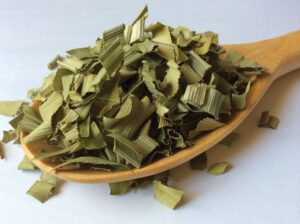
Characteristics of dried pandan leaves
Pandan leaves are a familiar ingredient in Southeast Asian cuisine, notable for their characteristic sweet and delicate aroma. When properly dried, pandan leaves retain their natural fragrance, color, and especially their high applicability in many fields. Thanks to their long shelf life and convenient transportation, dried pandan leaves are increasingly popular in international trade.
Applications of dried pandan leaves
In culinary arts, dried pandan leaves are used to flavor a variety of cakes, desserts, sticky rice dishes, and traditional syrups or beverages. In the beverage industry, dried pandan leaves are used to make pandan leaf tea, detox drinks, and are also added to cocktails and mocktails to create a unique natural aroma. Furthermore, in the food industry, dried pandan leaves are used as a natural flavoring ingredient or processed into pandan leaf powder for production. Thanks to its distinctive aroma and diverse applications, dried pandan leaves are becoming a **natural flavoring ingredient** sought after by importers worldwide.
Dried lemongrass – A versatile ingredient in cooking and healthcare.
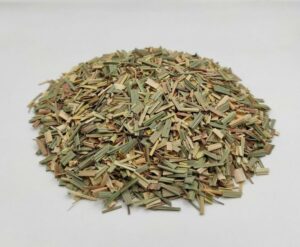
Characteristics of dried lemongrass
Lemongrass is a familiar herb in Vietnam, notable for its refreshing aroma and rich natural essential oil content. When properly dried, it retains its characteristic fragrance, stable essential oil content, and high value in many fields. Thanks to its easy storage and convenient transportation, dried lemongrass is becoming an increasingly popular ingredient in the international market.
Applications of dried lemongrass
In culinary arts, dried lemongrass is used in cooking, marinating food, and as a seasoning, enhancing the natural flavor of dishes. In the beverage industry, dried lemongrass is often used to make lemongrass tea, detox tea, or combined with ginger and lemon to create body-cleansing drinks. Additionally, in the spa and wellness industry, dried lemongrass is used in saunas, foot baths, and relaxation therapies due to its pleasant aroma and ability to promote mental relaxation. This versatility has made dried lemongrass one of the most widely used ingredients in both the food and beverage industry as well as the healthcare industry.
Export potential of dried agricultural products from Vietnam
Vietnamese dried agricultural products have a significant advantage in exports due to their versatility and suitability for various customer segments. Products can be packaged in a range of sizes, from small 1-5kg packages for individual customers or market testers, to large orders of several hundred kilograms to several tons for importers and manufacturers. This allows businesses to easily reach both small-scale customers and large-scale B2B partners.
Furthermore, items like dried pandan leaves and dried lemongrass are well-suited for development across various business models. Businesses can package them under their own brand, supply large quantities of raw materials to B2B customers, or develop OEM products tailored to international partners. This is a significant advantage for expanding markets and increasing product value.
Currently, markets such as the US, Europe, Japan, South Korea, and the Middle East have a high demand for dried agricultural products, especially as raw materials for the health beverage and natural food industries. These are all markets with a consumer trend focused on health, creating significant opportunities for Vietnamese agricultural products to penetrate and develop sustainably.
Vietnam is gradually becoming an important supplier of natural and dried agricultural products worldwide. With advantages in climate, production costs, and diverse raw materials, products such as dried pandan leaves and dried lemongrass are increasingly popular in the food and healthcare industries. In the context of the growing trend towards healthy living and the use of natural ingredients, Vietnamese dried agricultural products have enormous potential to expand their market and become a crucial link in the global supply chain.